The Future of Remote Work: Essential Skills Every Digital Nomad Needs to Thrive
Remote work has moved well past the pandemic-era experiment phase. Today, it represents a structural shift in how labour markets operate globally — and for those building careers as digital nomads, the stakes are real. This is not about sipping coffee on a beach. It is about staying employable, competitive, and resilient in a labour market that rewards specific, demonstrable capabilities.
How Remote Work Is Reshaping the Global Labour Market
Remote work is fundamentally restructuring hiring patterns, talent access, and workforce inclusion across industries. Employers are no longer limited to local talent pools, and workers are no longer bound to geographic proximity to opportunity.
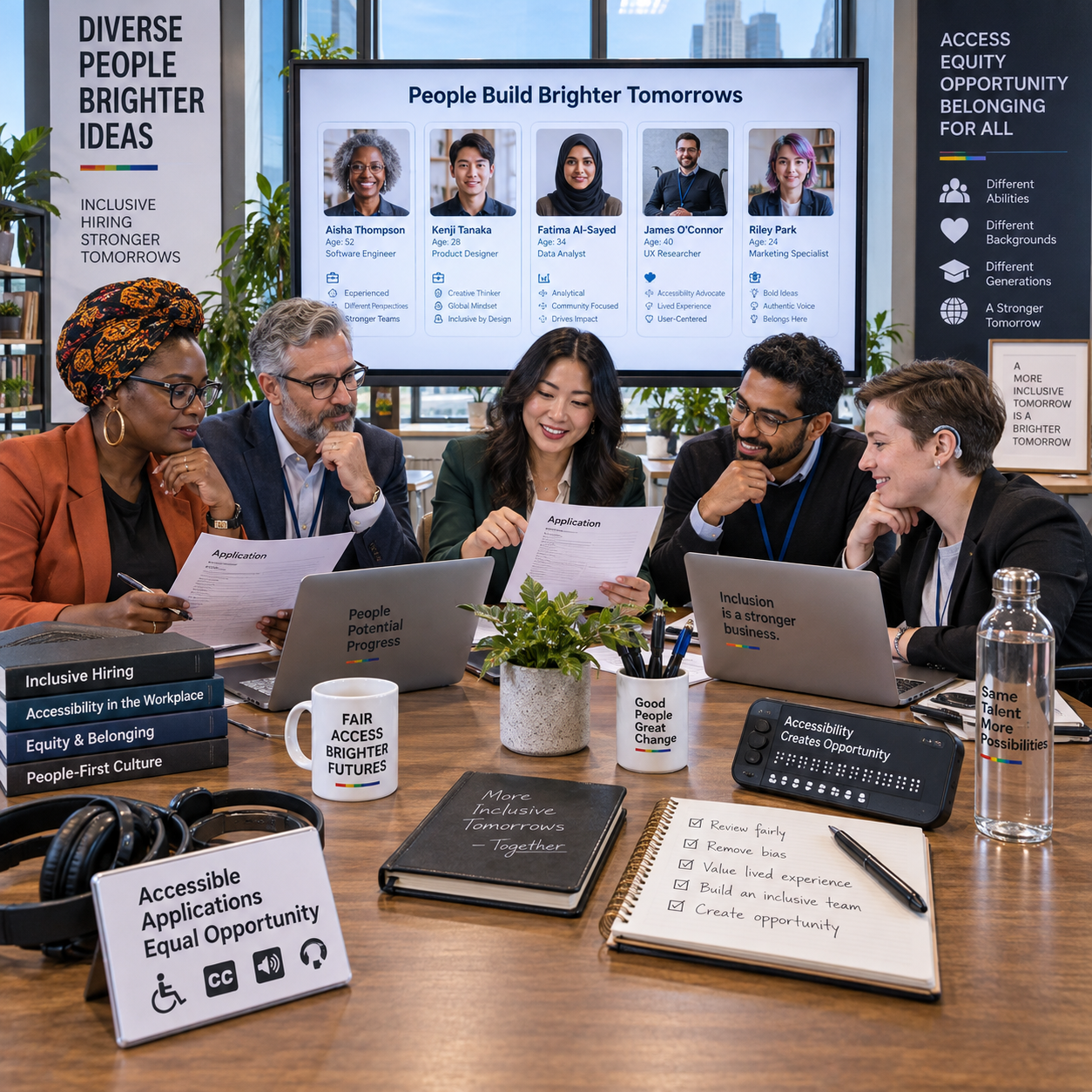
This shift carries genuine implications for labour market inclusion. Workers in regions with historically limited employment infrastructure — rural areas, developing economies, communities with mobility barriers — now have access to roles that were previously out of reach. According to the International Labour Organization, distributed work models have the potential to reduce structural unemployment when paired with adequate digital infrastructure and skills development.
But access alone does not guarantee participation. The same shift that opens doors also raises the baseline requirement for entry. Employers hiring remotely expect workers to function independently, manage their output without supervision, and communicate effectively across time zones. The labour market is not simply moving online — it is becoming more demanding about how work gets done, not just what gets done.
Core Technical Skills for the Modern Digital Nomad
Digital literacy is the non-negotiable foundation for any sustainable remote career. Without it, access to remote roles is theoretical rather than practical.
At the baseline level, remote workers need fluency with cloud-based collaboration tools — platforms like Google Workspace, Microsoft 365, Notion, or similar environments where documents, projects, and communication live. Knowing how to use these tools is not enough; understanding how to organise shared workflows within them is what separates functional contributors from genuinely effective ones.
Beyond collaboration platforms, three technical areas stand out as high-priority for career longevity:
- Cybersecurity awareness — understanding VPN use, two-factor authentication, and data handling protocols. Remote workers often operate on public or shared networks, and a single security lapse can damage professional credibility or client relationships.
- Project management fundamentals — familiarity with tools like Trello, Asana, or Linear, and the underlying logic of task prioritisation, deadline management, and progress documentation.
- Basic data literacy — the ability to read, interpret, and communicate with data. This does not require becoming a data analyst, but comfort with spreadsheets, dashboards, and metrics reporting is increasingly expected across non-technical roles.
The good news is that most of these competencies are learnable through free or low-cost resources. Platforms like Coursera, Google's own certification programmes, and LinkedIn Learning offer structured pathways — many at no cost with financial aid options.
The Soft Skills That Separate Thriving Nomads from Struggling Ones
Technical skills get you through the door. Soft skills determine whether you stay. Among remote workers, the gap between those who thrive and those who quietly disengage almost always comes down to a handful of behavioural competencies.
Asynchronous communication is arguably the most underrated skill in distributed work. When your team spans multiple time zones, the ability to write clearly, anticipate questions, and document decisions without real-time back-and-forth is not a nice-to-have — it is a productivity multiplier. Workers who default to "can we jump on a call?" for every decision create friction; those who write well and think in documentation create leverage.
Adaptability matters in a different way for remote workers than it does in office environments. The context changes constantly: new clients, new tools, new team norms, shifting project scopes. The ability to recalibrate quickly — without needing external reassurance — is what keeps a remote career moving forward rather than stalling.
Self-management deserves more than a passing mention. Remote work removes the ambient accountability of a shared office. There is no manager walking past your desk, no social pressure to look busy. Workers who cannot structure their own time, set realistic boundaries, and maintain output consistency will struggle regardless of their technical skill level. This is not a personality trait — it is a learnable system, and treating it as such is the first step.
Cross-cultural collaboration rounds out the picture. Digital nomads and remote workers routinely interact with colleagues and clients across different cultural contexts. Understanding communication norms, hierarchy expectations, and feedback styles across cultures reduces friction and builds the kind of professional trust that leads to repeat work and referrals.
Lifelong Learning as a Career Strategy for Remote Workers
Continuous upskilling is not optional for remote workers — it is the mechanism by which career relevance is maintained in a labour market that evolves faster than any single credential can track.
The concept of lifelong learning has been discussed in education policy for decades, but for remote workers it has an immediate, practical dimension. Skills that were differentiating three years ago — basic video conferencing, simple content creation — are now baseline expectations. The half-life of specific technical skills is shortening, which means the habit of learning matters more than any individual course completed.
The most effective approach is to build learning into the workflow rather than treating it as a separate activity. Practically, this looks like:
- Dedicating 2-3 hours per week to structured skill development, scheduled like any other work commitment
- Following industry-specific newsletters or communities to stay current without formal course enrolment
- Reflecting quarterly on which skills are being used most, which are becoming obsolete, and where the next gap is likely to appear
- Seeking projects that stretch current capabilities slightly — the adjacent challenge is often the most efficient learning environment
Reskilling and upskilling are sometimes treated as crisis responses — something you do when a role disappears. The workers who navigate career transitions most smoothly are those who have made learning a structural habit long before any disruption forces the issue.
Labour Inclusion and the Digital Nomad — Opportunities and Barriers
Remote work creates genuine pathways for workers who face structural barriers in traditional employment — but it does not eliminate those barriers automatically.
For people with disabilities, caregiving responsibilities, or geographic disadvantages, location-independent work can provide flexibility that office-based roles cannot. The International Labour Organization's Future of Work research highlights distributed work as a significant lever for broadening labour market participation, particularly for groups historically excluded from mainstream employment.
The barriers, though, are real and should not be minimised. Reliable high-speed internet access remains unequal across regions. Legal recognition of remote work arrangements — including social protection, tax status, and visa frameworks for nomadic workers — is inconsistent and often disadvantages those without formal employment contracts. Workers in the freelance economy and gig economy frequently lack access to the professional development support, pension contributions, and employment protections that salaried workers receive.
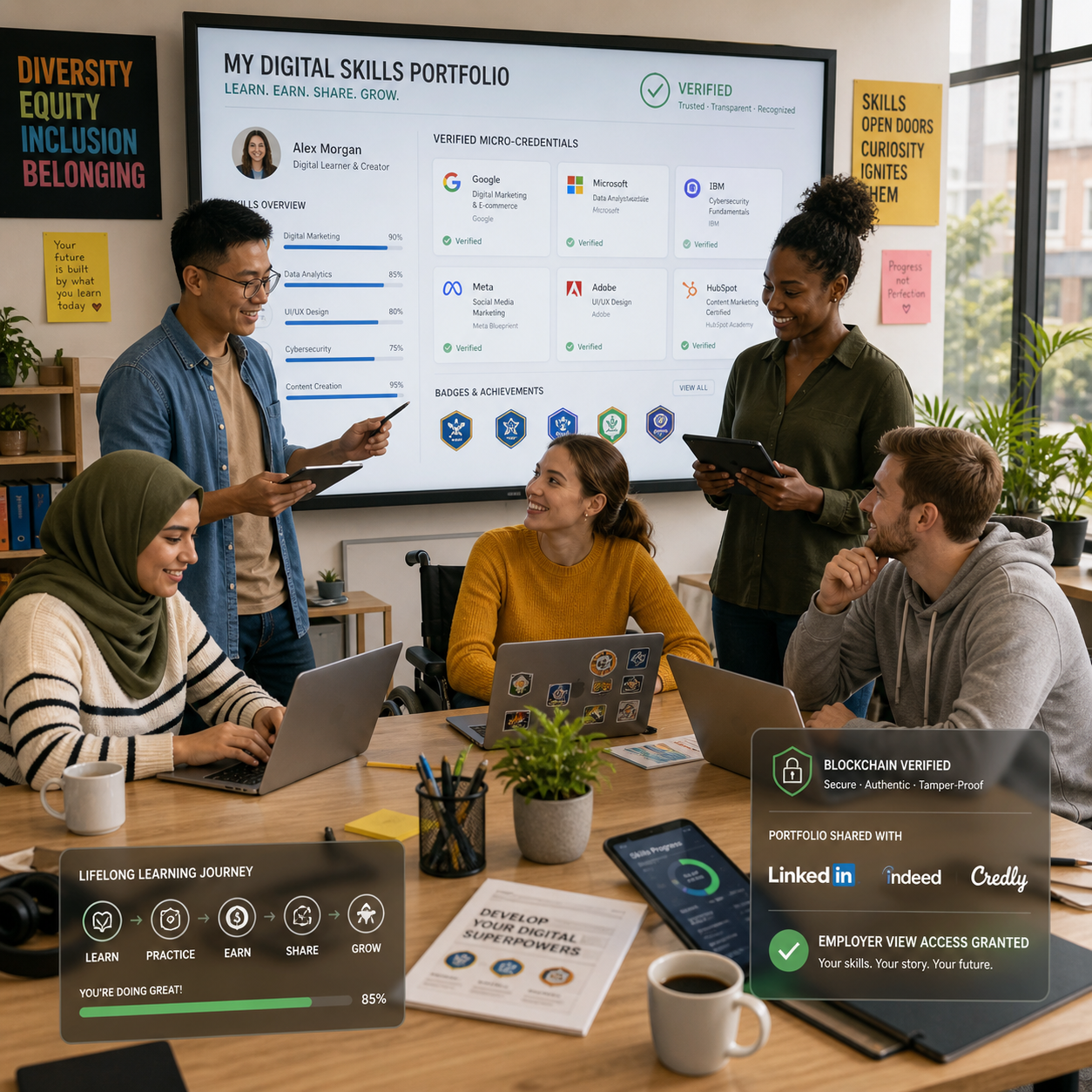
Recognition is another friction point. Qualifications and work experience gained through non-traditional or internationally distributed careers are not always legible to employers or institutions that rely on conventional credential frameworks. Building a visible, documented portfolio of work becomes especially important in this context — it substitutes for institutional recognition when that recognition is unavailable.
Building a Future-Proof Remote Career: Practical Steps to Start Now
Career resilience in remote work comes from deliberate skill-building, not from waiting for the right opportunity. The following steps are ordered by priority, not by complexity.
Audit your current skill set honestly. Map what you can do against what remote roles in your target field actually require. Job descriptions are imperfect but useful data — read 20 of them and patterns will emerge. Identify the two or three gaps that appear most frequently.
Address those gaps through structured learning before applying broadly. A targeted 6-8 week course in a specific tool or methodology will do more for your employability than a generic certificate in a broad subject area.
Build a documented track record. Remote employers cannot observe your work directly, so the quality of what you can show matters disproportionately. A portfolio of completed projects, client testimonials, or even a professional blog demonstrating domain knowledge all serve as credibility signals.
Invest in your asynchronous communication skills specifically. Practice writing project updates, proposals, and status reports that leave no ambiguity. Ask a trusted colleague to review your written communication and give honest feedback.
Connect with communities in your field. The freelance economy runs heavily on referrals and reputation. Online communities — whether on LinkedIn, Slack groups, or professional forums — are where many remote opportunities circulate before they become formal job postings.
Finally, address the structural side of your career: understand the legal and tax framework for remote work in your country of residence, and build financial buffers that account for the income variability common in location-independent work. Career development for digital nomads includes the unglamorous logistics, not just the skills.
Frequently Asked Questions
What skills do employers look for most in remote workers?
Employers consistently prioritise asynchronous communication, self-management, digital literacy, and reliability of output. Technical skills vary by role, but the ability to work independently without constant oversight is the most universally valued capability in distributed teams.
How can someone transition into remote work without prior experience?
Start by building demonstrable skills in a specific area, then document that work publicly — through a portfolio, GitHub profile, or professional case studies. Many remote-first companies hire based on demonstrated ability rather than prior remote experience specifically. Freelance platforms can provide early opportunities to build a track record.
Is a formal qualification necessary to work as a digital nomad?
Not universally, but credentials still carry weight in certain fields and with certain clients. Where formal qualifications are absent, a strong portfolio and verifiable references often substitute effectively. Industry-specific certifications — many of which are low-cost or free — can signal competence without requiring a full degree programme.
What free or low-cost resources exist for upskilling in remote work tools?
Google Career Certificates, Coursera's audit option, LinkedIn Learning (often free through public libraries), and tool-specific documentation and YouTube tutorials are all legitimate starting points. The Coursera blog on remote work skills provides a practical overview of high-demand competencies with linked learning paths.
How do digital nomads maintain career progression over the long term?
Long-term progression in remote careers depends on building reputation through consistent, high-quality output; expanding into adjacent skills before current ones become commoditised; and maintaining professional relationships actively. Career development does not happen passively in distributed work — it requires the same intentionality as the work itself.