


Mentorship Programs: Bridging the Experience Gap for New Graduates
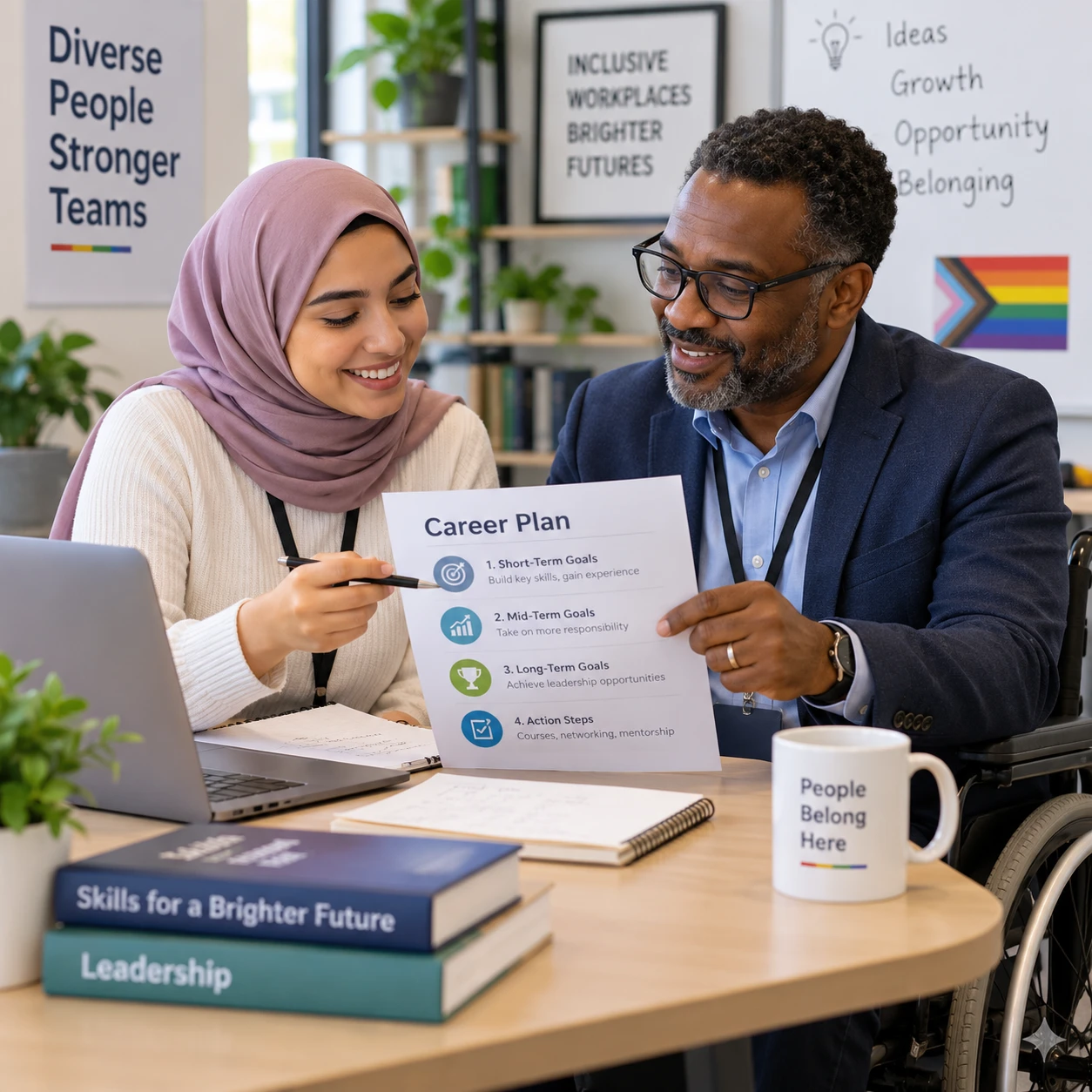
New graduates can leave education with strong subject knowledge and still face a frustrating obstacle: many entry-level roles ask for experience they have not yet had the chance to gain. Mentorship programs can help bridge that gap by connecting graduates with people who offer practical guidance, workplace insight, and support as they develop their skills.
Mentorship is not a promise of a job, and it cannot replace fair hiring or paid work experience. Done well, though, it can make the transition from education to early-career employment more understandable, accessible, and supportive.
Why the experience gap affects new graduates
The experience gap affects new graduates because employers often expect practical skills and workplace familiarity that education alone may not provide. Without opportunities to demonstrate those abilities, graduates can find it difficult to compete for early-career employment.
Coursework, projects, and qualifications build valuable knowledge, but they do not always show how someone handles a client conversation, receives feedback, prioritizes tasks, or works within a team. Employers may treat internships or previous jobs as evidence of readiness, even when graduates have had limited access to those opportunities.
This creates a cycle: a graduate needs experience to get hired, but needs a first job to gain experience. The barriers can be greater for people who have had fewer professional contacts, cannot afford unpaid placements, are changing careers, or face disability-related, geographic, cultural, or financial barriers. A lack of familiarity with recruitment conventions can also make it harder to translate skills into a strong application or interview.
Mentorship can help make expectations more visible. It can also help graduates recognize and describe skills developed through study, volunteering, caregiving, community work, or part-time employment. That support matters, but it does not remove employers’ responsibility to offer accessible selection processes and meaningful entry-level opportunities.
How mentorship programs connect learning with work
Graduate mentorship programs connect learning with work by pairing a new graduate with a more experienced person who offers regular, practical guidance. The relationship can turn unfamiliar workplace expectations into skills a graduate can understand, practise, and discuss.
A mentor might help a graduate set career goals, review a résumé, prepare for an interview, or think through a workplace challenge. They can explain how communication, decision-making, and collaboration work in their field. Where appropriate, mentors can also introduce graduates to professional networks, clarify industry language, or point them toward training and job opportunities.
The strongest conversations are reciprocal rather than prescriptive. A mentor shares experience, asks questions, and gives specific feedback; the graduate brings their own goals, knowledge, and perspective. For example, instead of saying, “Be more confident,” a mentor could help a graduate practise a project update and identify one change to make next time.
Good programs set boundaries around what mentorship can provide. Mentors should not be expected to act as therapists, guarantee referrals, or make hiring decisions on behalf of their organization. Employers can support the relationship with short training, clear guidance, and a route for participants to raise concerns. For broader principles on quality mentoring, see the U.S. Department of Labor’s youth mentoring resources.
Benefits for graduates, employers, and mentors
Structured mentorship can benefit graduates, employers, and mentors by supporting skills development, workplace readiness, and more informed career decisions. Its impact depends on the quality of the relationship and the opportunities around it; a pairing alone cannot guarantee employment.
For graduates, a reliable sounding board can build confidence through preparation and practice, not empty reassurance. They may learn how to describe transferable skills, ask for feedback, navigate professional norms, and make a realistic development plan. Career guidance can also help someone identify whether a role or sector suits their strengths before investing time in a job search.
Employers gain a better way to understand emerging talent and identify where recruitment processes may be difficult to navigate. Mentorship can support onboarding and employee development, while helping organizations build relationships with communities they do not typically reach. These benefits are stronger when mentoring sits alongside fair hiring, paid placements, accessible training, and transparent promotion criteria.
Mentors can develop coaching, listening, and leadership skills. They may also gain new perspectives on changing education pathways and barriers facing early-career workers. To keep the exchange fair, organizations should make mentoring part of an agreed workload rather than relying on unpaid goodwill indefinitely.
What an effective graduate mentorship program includes
An effective graduate mentorship program includes clear goals, thoughtful matching, regular meetings, agreed expectations, and practical learning opportunities. These basics give participants a useful structure without making the relationship feel scripted.
Start with a short intake conversation. Ask graduates what they want to learn, what kind of support they prefer, and what meeting formats they can access. Ask mentors about their experience, availability, and areas of confidence. Match on relevant goals and working preferences where possible, not on assumptions about shared identity or background.
At the first meeting, agree on a few achievable outcomes. A graduate might aim to practise two interview answers, understand the roles in a particular field, or build a portfolio plan over three months. Then set a meeting rhythm, such as one conversation every two to four weeks, with a shared agenda and a simple way to track actions.
Useful program elements include:
- Preparation for both participants: brief guidance on listening, feedback, confidentiality, and boundaries.
- Concrete practice: mock interviews, presentation feedback, job-shadowing where appropriate, or review of a work sample.
- Access to wider learning: introductions to training, professional groups, and paid work opportunities, without presenting any introduction as a job guarantee.
- A clear support route: a program coordinator who can help if a match is not working or needs to change.
Keep the administration light. Too much reporting can turn mentoring into a compliance exercise; too little structure can leave participants unsure what to do next.
Making mentorship accessible and inclusive
Inclusive mentorship programs reduce practical and social barriers so graduates with varied backgrounds and needs can participate fully. Access must be built into recruitment, matching, communication, and program delivery from the start.
Time, travel costs, caregiving responsibilities, digital access, disability accommodations, and confidence in professional settings can all affect participation. A program that meets only during standard office hours may exclude graduates who work shifts or have care commitments. Requiring unpaid events or in-person travel can also favour people who already have financial flexibility.
Employers and program organizers can offer remote or hybrid meetings, flexible scheduling, accessible materials, and reimbursement for reasonable travel costs. Make participation criteria transparent and invite graduates through universities, community organizations, employment services, and other trusted channels, rather than relying only on existing employee networks.
Mentor training should address respectful communication, unconscious assumptions, confidentiality, and the difference between support and personal advocacy. Participants should be able to request a rematch without having to prove that a relationship has failed. Collect only the personal information needed to deliver the program, explain how it will be used, and provide an accessible way to share feedback.
Mentorship should also avoid placing the burden of inclusion on graduates. A mentor can help someone navigate a workplace, but cannot fix inaccessible recruitment or discriminatory practices. Pair the program with clear hiring standards, paid opportunities, reasonable accommodations, and routes for reporting concerns.
How to evaluate progress and improve the program
Evaluate a mentorship program by checking whether participants make progress toward their goals, find the support accessible, and move into further learning or employment when that is their aim. Use more than job placement numbers to judge whether the program is working.
Before the program begins, decide what success should mean for its participants. Measures might include completion of agreed learning goals, confidence in specific workplace tasks, access to career guidance, or applications to relevant training. At the end, ask graduates and mentors what helped, what got in the way, and whether they would recommend changes.
Track transitions into employment or further training where participants consent and follow-up is feasible. Interpret those outcomes carefully: hiring depends on labour market conditions, vacancies, qualifications, and many factors beyond mentorship. A high placement rate does not prove that access was equitable, while a lower rate may reveal the need for stronger links to paid work experience or employers.
Review results by relevant participant groups only when data collection is voluntary, privacy-conscious, and large enough to avoid exposing individuals. If some groups are less likely to finish the program, investigate practical barriers rather than assuming they lacked commitment. Then test a specific adjustment, such as adding evening meeting options or offering mentor preparation, and review whether it improves participation.
Frequently asked questions
What is a mentorship program for new graduates?
A mentorship program for new graduates is a structured relationship in which an experienced person offers career guidance, feedback, and workplace insight. It may include goal-setting and practice activities, but it does not guarantee a job.
How long should a graduate mentorship program last?
Many programs run for several months, long enough for participants to meet regularly and work toward specific goals. The right length depends on those goals, the participants’ availability, and whether there is a clear review or closing point.
What should graduates look for in a mentor?
Look for someone who listens, offers relevant experience, gives respectful and specific feedback, and has time to meet consistently. A mentor does not need to work in the exact job you want; someone with useful skills or sector knowledge may be a better fit.
How can employers make mentorship programs inclusive?
Employers can use transparent recruitment, accessible meeting options, flexible scheduling, clear accommodation processes, and mentor training. They should also connect mentorship with fair hiring and paid learning opportunities rather than treating it as a substitute for them.